Understanding the rheological properties of blood is an important component of assessing a patient’s microcirculation and is a challenging task for physicians, even in today’s environment. Indeed, the rheological behavior of human blood determines the state of its metabolism at the microcirculatory level. One of the most important and widely used assessment methods is measuring the viscosity of whole blood using rotational viscometry, which allows one to obtain a blood viscosity curve applicable to virtually all areas of the vascular bed. Rotational viscometers, which generate shear rates in the range from less than 1 reciprocal second to thousands of reciprocal seconds, are most widely used for this purpose, thus covering the entire profile of blood flow velocities within the vascular bed.
Currently, foreign-made rotational viscometers from companies such as Contraves (Switzerland) are the most widely used for human blood testing. These instruments are classic rotational viscometers with various measuring systems, such as cylinder-cylinder, plate-plate, cone-plate, and others. These instruments feature advanced technology, enabling them to measure the viscosity properties of a small blood sample over a very wide range of shear rates. Additional capabilities also allow them to evaluate the viscoplastic properties of biological samples, such as synovial fluid.
However, the high user characteristics of these devices are accompanied by a very high cost (40-50 thousand US dollars), which makes them practically inaccessible for use in our country.
Until recently, domestically produced rotational viscometers were represented by the AKR-2 rotational viscometer. However, its production has now been discontinued.
Despite the high clinical demand for blood viscosity studies, it should be noted that the viscosity index of whole blood is an integral value determined by:
· concentration of red blood cells (hematocrit);
· plasma viscosity;
· erythrocyte aggregation;
· deformability of erythrocytes.
The last two circumstances are the main ones that determine the so-called “non-Newtonian” behavior of blood in flow, characterized by its different viscosity at different blood flow rates (Fig. 1).

It is clear that these two indicators of blood rheological behavior may be of the greatest clinical interest: aggregation and deformability of erythrocytes.
Erythrocyte aggregation (EA)
Currently, in accordance with a number of recommendations (1, 2), several methods for studying erythrocyte aggregation are proposed: measurement of the erythrocyte sedimentation rate (ESR), measurement of the light transmittance or light reflectance of the erythrocyte suspension before and after its intensive mixing (syllectometry), microscopic assessment of erythrocyte aggregates, a method for determining the coefficient of the relationship of blood viscosity at low and high shear rates, and ultrasound assessment of erythrocyte aggregation.
All of these methods have varying degrees of widespread use and effectiveness. Currently, most researchers consider sillectomy to be the most appropriate method for assessing erythrocyte aggregation (EA).
One of the most modern devices that allows one to evaluate AE using the sillectomy method is the Rheoscan A analyzer manufactured by Rheomeditech (South Korea) (Fig. 2).
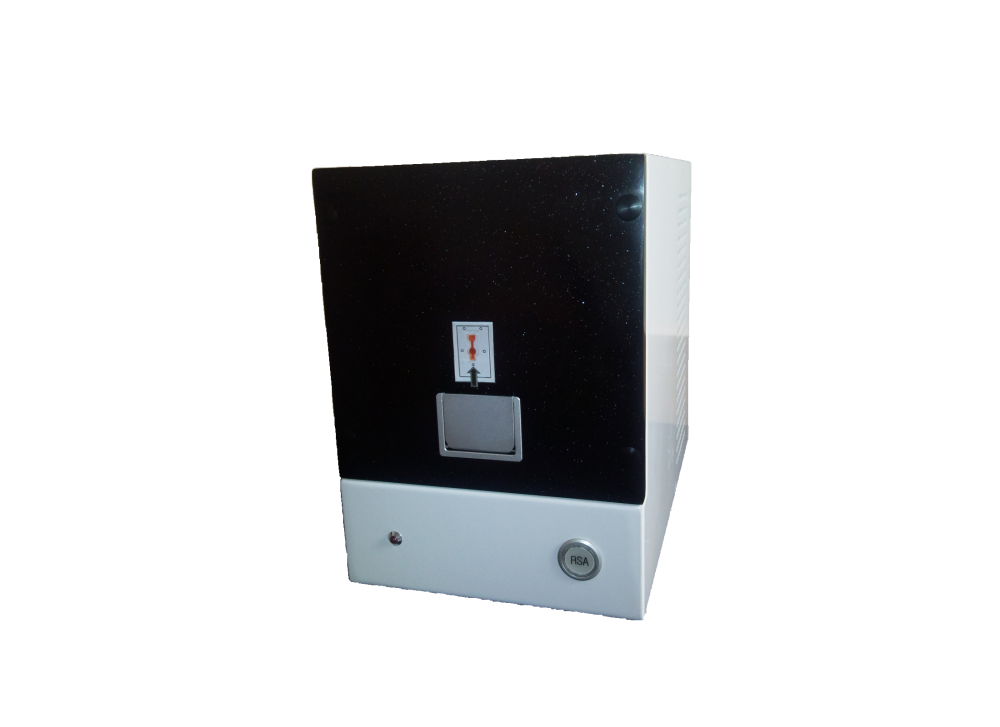
This device allows the use of 8 µl of stabilized whole blood and within 10 seconds calculates the main AE indicators: maximum aggregation (MA) and the time to reach 50% of maximum aggregation Tmax (Fig. 3).

Along with this method of AE testing, the Rheoscan AND 300 device implements an original method of AE testing based on measuring the minimum shear stress required to disaggregate red blood cells and achieve a dispersed state in the blood sample, i.e., the ultimate shear stress (Fig. 4). An important feature of this indicator is its independence from the cell concentration in the blood sample.

A number of studies in recent years have shown good efficiency of AE assessment using Rheoscan A devices in septic conditions, diabetes and its complications, coronary syndrome, etc. (3, 4, 5, 6).
Red blood cell deformability (RBC)
Research conducted in recent decades has shown that the most important property of erythrocytes, determining their ability to perform transport functions in the microcirculatory system, is their deformability (7, 8). This deformability depends on the functional geometry of the cell, its membrane viscoelasticity, and cytoplasmic viscosity (9).
However, the viscosity of the internal contents of erythrocytes makes a significant contribution to cell deformability only at high hemoglobin concentrations, > 50 g/dl, whereas at normal concentrations, erythrocyte deformation is mainly associated with the elasticity of the cell membrane (10).
One of the earliest methods for assessing DE is the filtration method, based on measuring the filtration time of a blood sample through a calibrated polycarbonate filter with pore sizes of 3–5 μm (11). The micropipette aspiration method is based on assessing the negative pressure required to draw part or all of a red blood cell into a micropipette (11).
Laser ellipsometry, or ektacytometry, is currently widely used. This method involves the mathematical evaluation of the diffraction pattern of a red blood cell when it is subjected to high shear rates in the measuring chamber of a rotational viscometer or when a blood sample passes through a calibrated capillary (Fig. 5). The key indicator of this study is the so-called “elasticity index,” calculated by the instrument based on changes in the geometric dimensions of the red blood cell image.

Rheоscan AND 300 uses a special disposable cartridge for DE measurements. Automated testing requires 3 µL of blood and 5 seconds of time, making the device a ROS analyzer. This device has been used to study patients with hematological diseases, diabetes, cancer, diabetic ophthalmopathy, nephropathy, and other conditions.
A line of devices for studying the microrheological properties of blood manufactured by Rheomeditech (South Korea) is presented on the Russian market by TPO MedioLab LLC.
A. B. Kosyrev,
Candidate of Medical Sciences, Associate Professor of the Department of Biochemistry of the Russian Medical Academy of Postgraduate Education M3 of the Russian Federation
Literature:
1. R. M. Bauersachs, R. B. Wenby and H. J. Meiselman, Determination of specific red blood cell aggregation indicators via an automated system, Clin. Hemorheol. 9 (1989), 1-25.
2. G. Barshtein, D. Wajnblum and S. Yedgar, Kinetics of linear rouleaux formation studied by visual monitoring of red cell dynamic organization, Biophys. J. 78 (2000), 2470-2474.
3. Sakr Y, Dubois MJ, De Backer D, et al: Persistent microcirculatory alterations are associated with organ failure and death in patients with septic shock. Crit Care Med 2004;32:1825-1831
4. A. Vaya, J. Iborra, C. Falco, I. Moreno, P. Bolufer, F. Ferrando, M. L. Perez and A. Justo, Rheological behavior of red blood cells in beta and deltabeta thalassemia trait., Clin. Hemorheol. Microcirc. 28 (2003), 71-78.
5. Le Devehat C, Boisseau M, Vimeux M, et al. Hemorheological factors in the pathophysiology of venous diseases. ClinHemorheol9:861-870, 1989.
6. Kesmarky G, Toth K, Habon L, et al. Hemorrheological parameters in coronary artery disease. Clin Hemorheol Microcirc 18: 245-251, 1998.
7. Galenok V. A., Gostinskaya E. V., Dikker V. E. Hemorheology in carbohydrate metabolism disorders [Text] / V. A. Galenok, E. V. Gostinskaya, V. E. Dikker. – Novosibirsk: Nauka, 1987. – 258 p.
8. Chierego M, Verdant C, De Backer D: Microcirculatory alterations in critically ill patients. Minerva Anestesiol 2006; 72:199-205.
9. Nash, G. B., Meiselman, H. J. Effect of Dehydration on the Viscoelastic Behavior of Redd Cells / GBNash, H. J. Meiselman. – Blood Cells, 1991. – Vol. 17. – P 517-522.
10. Nunomura, W., Takakuwa, Y. Regulation of protein 4.1R interactions with membrane proteins by Ca2+ and calmodulin [Text] / W. Nunomura, Y. Takakuwa. – Front Biosci., 2006. – Vol. 11. – P 1522-1539.
11. OK Baskurt et al. New guidelines for hemorrheological laboratory techniques.
Kosyrev A.B., OOO TPO Medio Lab / Modern laboratory diagnostics // Industry reference books, No. 1 (24) ’18.